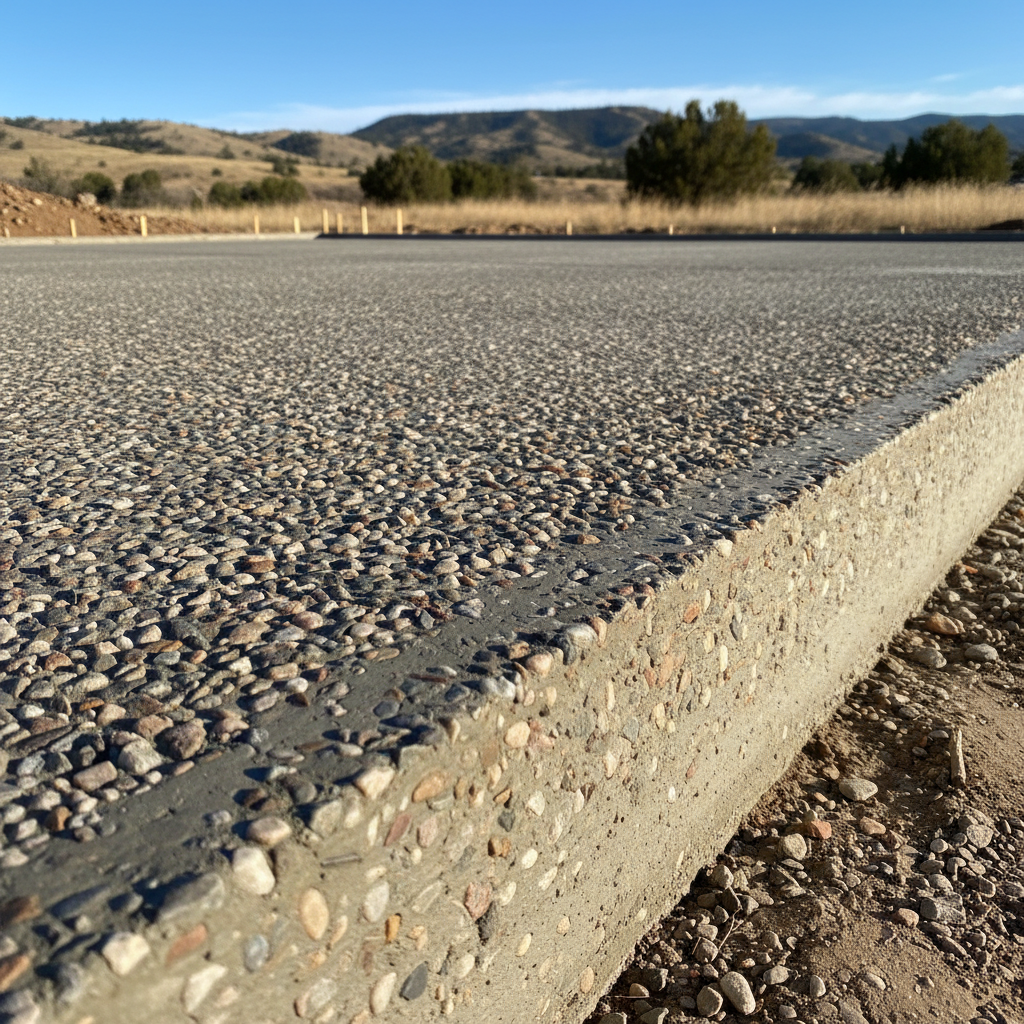
Your house is only as good as the concrete holding it up, especially around Draper where our heavy clay soils and mountain weather test every structure. Whether you are planning a home addition, a detached garage, or a workshop, getting the foundation right from day one saves you from massive headaches down the road. All Star Concrete Solutions has seen plenty of DIY projects go sideways because builders skipped important steps. Here is how to handle a Foundation Project successfully, from the early planning stages to the final cure.
Before the Pour: Planning and Prep
You cannot just dig a hole and start pouring concrete. Proper preparation dictates whether your Foundation Project will stand the test of time or crack under pressure. First, check local building codes in Draper. Frost lines and seismic requirements mean your footings have to go deep enough to avoid winter freezing and shifting.
Excavation is where reality hits. You will need to dig down to stable, load-bearing earth. If you hit loose fill or wet clay, you have to dig deeper. Setting up forms and laying down rebar requires absolute precision. A fraction of an inch off level now means a crooked wall later.
Can you do this yourself? You can rent a mini-excavator and handle the basic digging if you have experience and a free weekend. But getting the sub-base compacted correctly and tying the rebar grid according to engineering specs is where most homeowners get tripped up. If you are not 100 percent confident, call a pro.
During the Project: The Pour and Placement
Pour day is fast-paced, high-stress, and completely unforgiving. Once that truck shows up, the clock is ticking. You have to place, spread, screed, and finish the concrete before it starts setting up in the forms. Weather plays a huge role here too. Pouring on a scorching July afternoon in Draper means the concrete flashes too fast, leading to surface cracking, while freezing winter temps will ruin the cure entirely.
During the pour, you need team members vibrating the wet mix to eliminate air pockets around the rebar and forms. If you are managing a crew of buddies with wheelbarrows, one weak link can throw off the whole operation. All Star Concrete Solutions has the specialized tools, extra hands, and reliable concrete delivery coordination to get a monolithic pour done right.
After the Pour: Curing and Protection
Most people think once the concrete is smooth, the job is done. Actually, that is when the curing phase begins. Concrete does not dry—it undergoes a chemical reaction that requires moisture and controlled temperatures to gain strength. Keep the surface damp for at least several days, especially when dry winds sweep down from the canyons.
Backfilling too early is another major blunder we see. Pushing heavy dirt against fresh foundation walls before the concrete reaches its design strength will crack or bow the walls. Give it adequate time to cure before pulling down the forms or running heavy equipment nearby.
Building a solid Foundation Project is hard physical labor that demands structural knowledge and local experience. While measuring and site cleanup are great places for sweat equity, leave the heavy lifting, mixing, and pouring to experienced contractors who know how to protect your home from the ground up.